

Tailoring systems that work for you
I talk a lot about creating, maintaining and revising systems that work for you and your family - but what does that actually look like? How does one even go about starting to create systems in their household? In this post I'll break down the process I use when organizing and some simple steps to keep your systems maintainable.
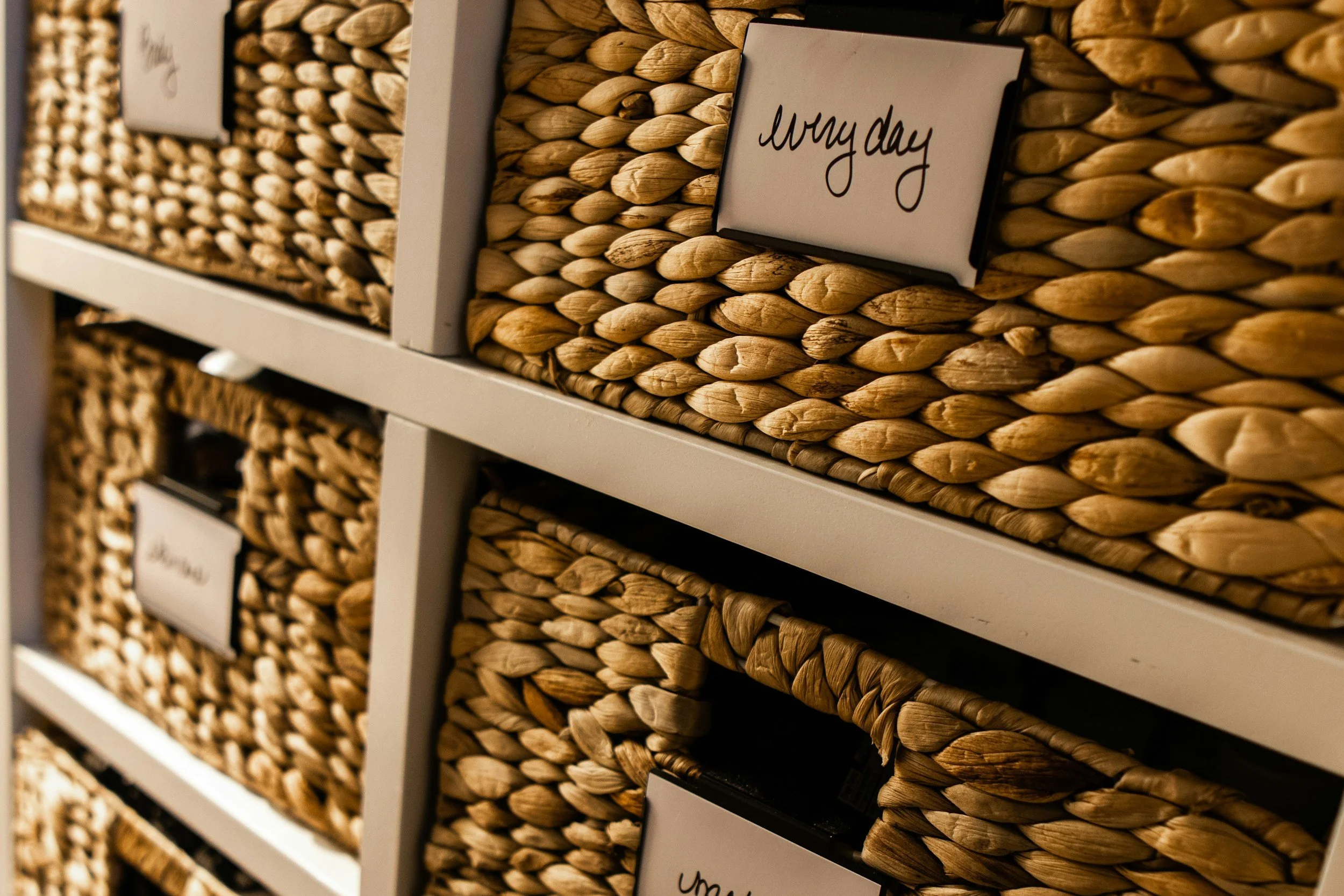
So, what exactly is a system?
A “system” can sound so formal—and even feel overwhelming at first! An easier way to think about it is simply the process you follow when organizing your belongings, along with the tools or containers you use to keep everything in place.
Systems can be as basic or complex as you want them to be - however I always encourage simplicity and functionality over all else. Practically speaking, the less steps and fuss, the more likely the system will be maintainable.
Discerning a space’s functionality.
Before you can make a system, you need to decide what an area’s function is and what you intend to store there.
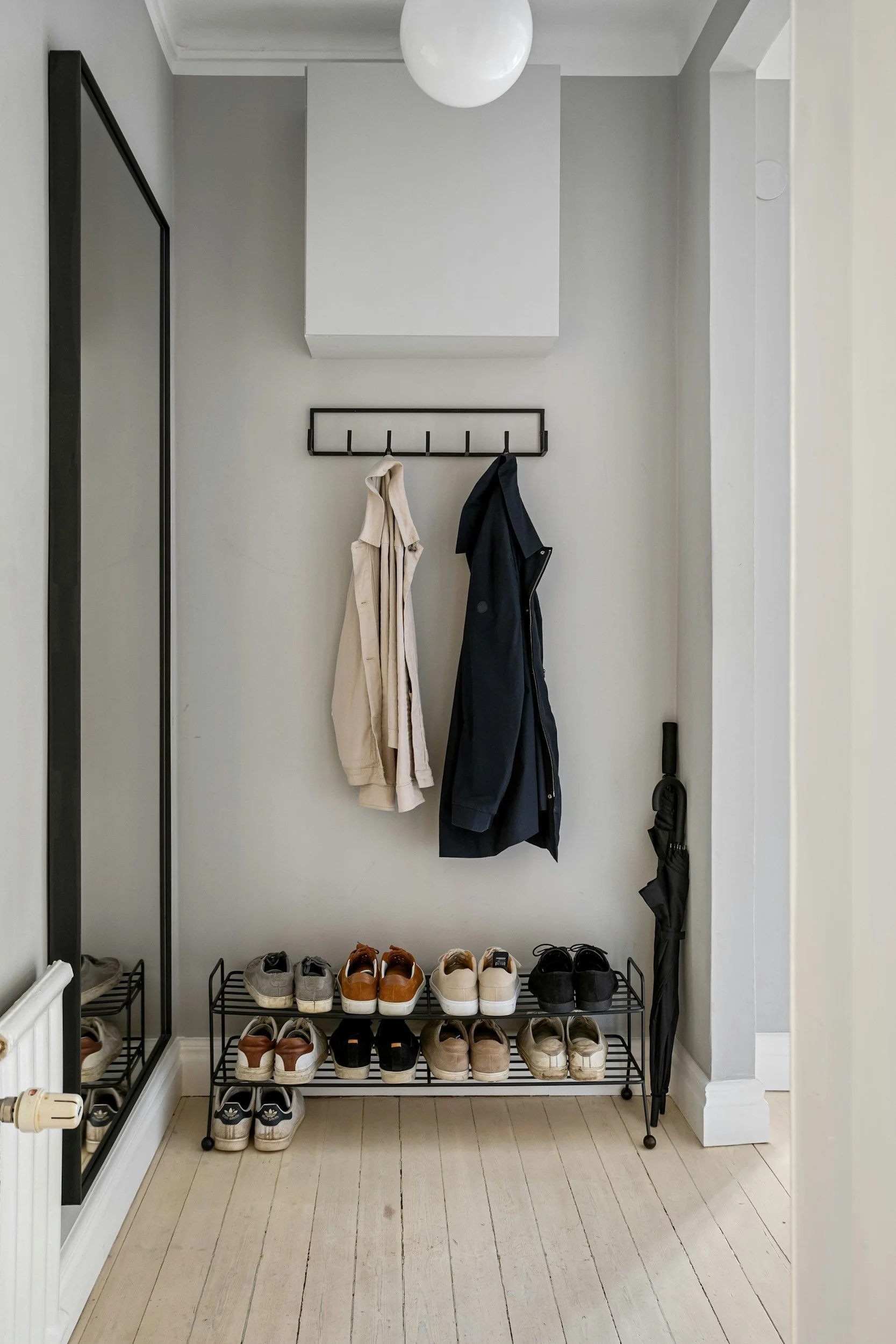
For example, an entry way’s function is to act as a landing zone to contain all the things coming in and leaving your home. You plan on storing a limited amount of frequently used shoes, coats, purses and keys here. This creates clear intentions for you to build off of.
It is also important to factor in how you live. Do you walk in the door, kick off your shoes and drop everything right there or are you someone who typically makes their way through their home, dropping things off as you go? This will help you ascertain what is likely to find a home in the area you’re working on. Don’t fight your naturally tendencies, as when life happens, well intentioned plans are the first to go! It’s best to plan for what will organically occur rather than forcing something that is not your norm. A good system is not what looks best, but one that works best for YOU - but more on that later!

Downsize and Reorder
Gather all the items you want to store in the area from throughout your home. Go through and review what you want to keep and donate or recycle what you want to part with. Before you trash those beaten up shoes or jackets with broken zippers, check out Baystate Textiles for local drop offs in the Massachusetts area! They accept items in most conditions to recycle.
Curate your style.
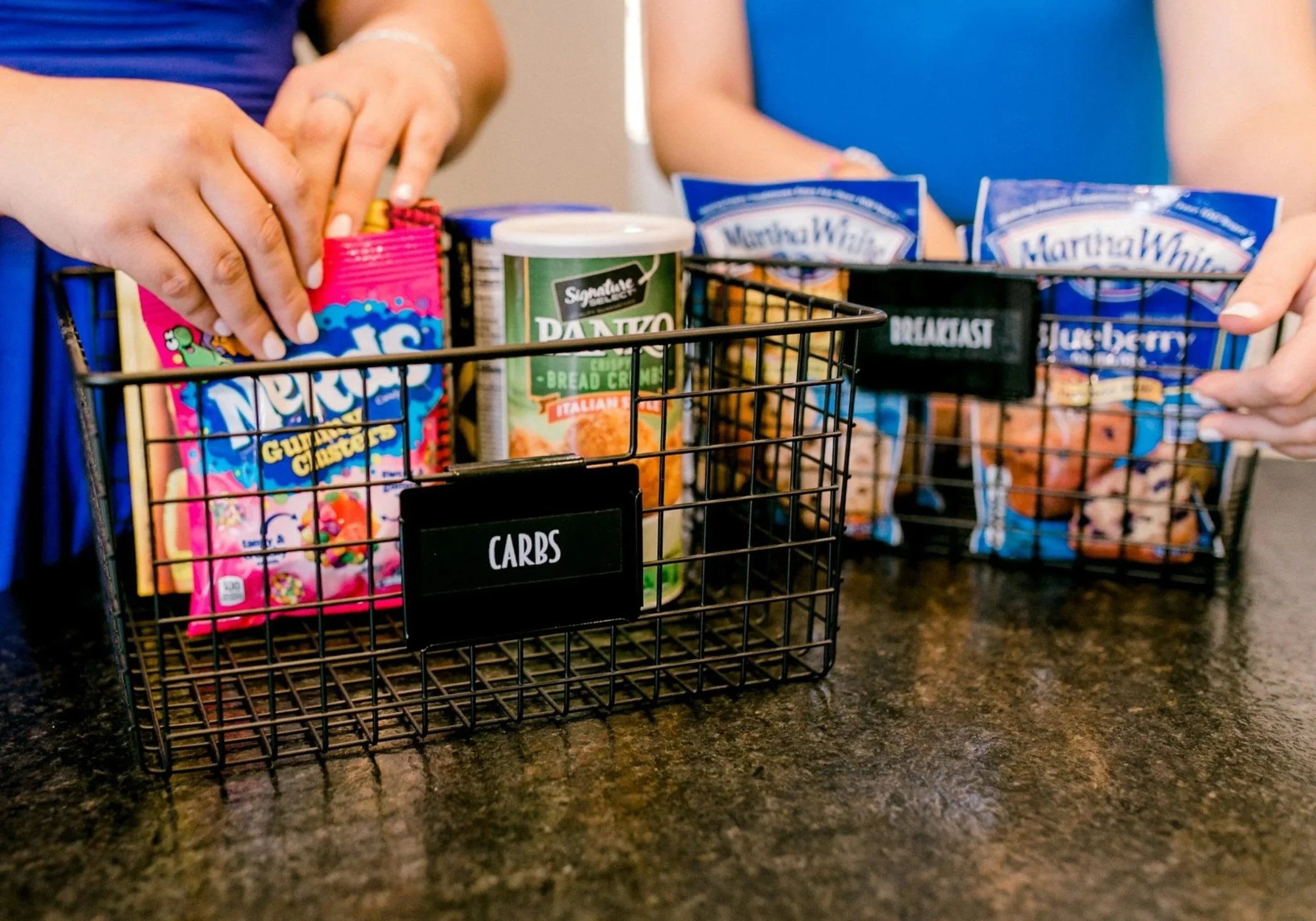
We now know what we want the space to be, what we’re going to store there and how much of each thing we have, now is where the design fun comes in! What accessories will you need to store your items properly? In our example of the entryway, we’ll need a way to hang coats, something to store the shoes on/in, perhaps a shelf to collect the keys, etc.
Considering the style you naturally gravitate toward can help narrow down your options. Do you prefer a simple, modern look or are you drawn to something more traditional?
Your style preferences can also help determine whether concealed storage or open, easily accessible storage is the better fit for your project. Need more ideas? Check out Pinterest, use AI or do a Google search for inspiration of what others have done in a similar space.
Going back to how you naturally live, what other factors should you consider to ensure the design thrives? Should you add a basket for the misc items that tend to get dropped at the door? Maybe a shelf for sunglasses? It’s important to leave space for life to happen. Don’t stuff a basket to max capacity or have just enough hooks for the coats you want to store. Always allow for a little more than what you think will belong there.
Design Execution
Purchase accessories and build structures for your design. Organize your belongings to fit within your design.
Pro Tip: Layout containers first to ensure the placement will fit within the designated area before filling with contents. This is especially useful with spaces with many baskets / bins like pantries and closets. Nothing worse then strategically placing things in a basket only to realize the door won’t shut with it on the shelf!
The Test Run & System Tweaks
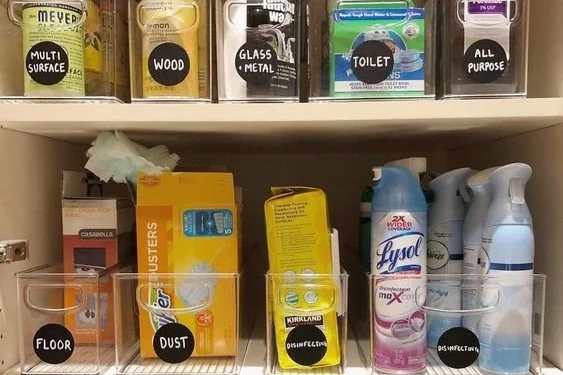
I daresay this step is the most important part of any system - testing it out in your daily life. As I mentioned earlier, I stand on the importance of a system that supports how you live over a system that looks great. That’s not to say a system can’t be aesthetically pleasing! Quite the contrary - a system that is built with YOU in mind creates a beauty of its own.
I believe PEACE is preferable to frustration. Frustration occurs when there’s a disconnect between the systems you’ve designed and the way you actually live, allowing disorder to
persist. Order and ease of living are what bring peace to your life. A good system will do just that.
There is no shame in admitting that something is not working for you. It doesn’t matter if every designer, friend, etc. says that something will work for you - if it doesn’t support how you live, it’s not worth forcing. Move onto something that does support you, in this season.
A great example of this is my ADD families with littles. They may want to have a perfectly ordered home with every basket broken down into very specific categories, but when the grind of the every day arrives, things end up back on the counter to be “put in the right spot later.” It makes more sense to have a ordered “drop and go” system, where the ideals of perfectionism don’t get in the way. This could mean broader categories that allow for grace.
What to consider with a system audit
Systems are meant to answer the question of where your belongings “live” so you solve the problem once. However, because life changes, your organization system should too. Learning how to edit and adapt your systems can help your home continue to work for you—rather than against you.
Our preferences change. Our style changes. Our families grow. Seasons change. That’s why it’s important to reevaluate your home in different seasons of life to ensure the processes you put in place last month / year are still working for you and your family. This is never more clear than with our little humans! It feels like those early years are in a constant state of flux, from crawling and worried about what’s down low, to walking and concerned about sharp corners, to toddlerhood and stressed with just about everything! What worked when they were crawling, doesn’t work anymore when they’re exploring and neither does the way you live and how you store your belongings. Change is necessary to keep up with the peace of your stuff not causing you stress.
When auditing a system, ask yourself:
What is really working well in this area?
What isn’t working and what is the barrier to it not functioning properly? (Ie. Excess stuff, unplanned items landing there, etc.)
Is the storage solution practical, functional and maintainable?
Is the system maintainable for YOU? Will you actually use it as you designed it in the long run?
Have you saved some space for the "toss in" items or for future growth?
Have you factored in the expense of a new system? Is there a DIY version that would give the same outcome?
Many systems can benefit from asking, how can I simplify this area or process?
Now that you have a better understanding of what a system does and the benefits of creating functional, well thought out solutions, we are confident that you are equipped with the necessary tools to take on those challenge areas in your home! We hope you’ve been inspired to simplify and curate a home that reflects your lifestyle.
Cheers and get organizing!
Still unsure how you want a space to function or which baskets and storage solutions will work best for you? We’re here to help!
Sometimes, it’s hard to see a solution when you’ve been living with the same space for so long. A fresh perspective can make all the difference.
Ready for a fresh set of eyes? Contact us today!
